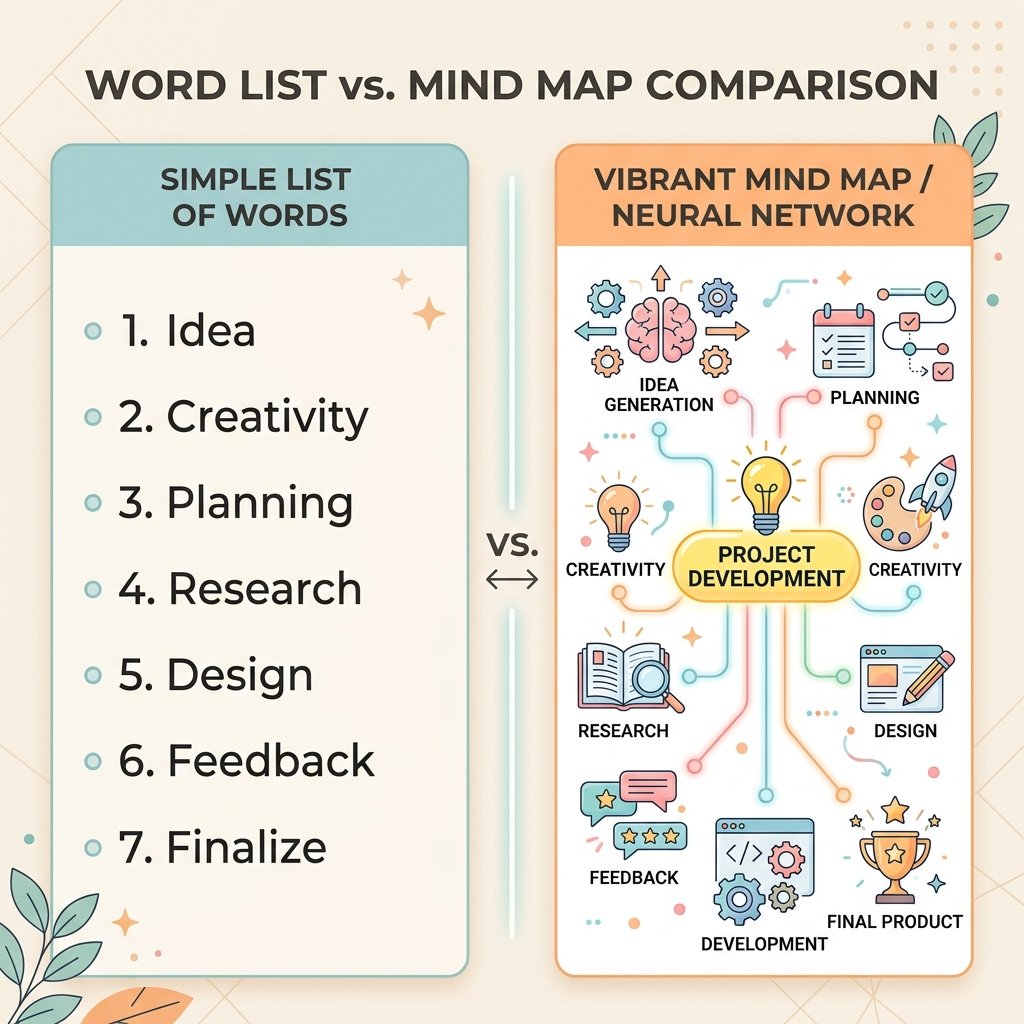
In the early days of my career, SEO was a relatively straightforward and predictable game. You worked hard to find a popular target keyword, you sprinkled it liberally through your copy, and you waited patiently for the traffic to roll in. It was a world of ‘lexical matching’ – where the search engine was essentially behaving like a high-speed librarian looking for exact word-by-word matches. But as we move deep into 2026, those days feel like ancient history. The debate today isn’t about *whether* to use keywords, but how to move far beyond them to build real, lasting, and verifiable content authority.
At digitalsuccesslane.com, I’m constantly asked the same question: ‘Emily, should I focus on semantic SEO or stick to traditional keyword research?’ My answer is rarely a simple one, because the two are now fundamentally and technically intertwined. However, if you want to be more than just a temporary blip on the search radar, you need to understand why the shift from ‘strings to things’ is the most important change in the history of digital marketing.
The Old Guard: What Keyword SEO Still Gets Right in 2026
Let’s be clear right from the start: keywords are absolutely not dead. They are the fundamental language of the searcher. A keyword is a literal manifestation of a user’s specific need or problem. When someone types ‘how to build a topic cluster’, they are handing you a golden roadmap to their current intent. Traditional keyword SEO is about ensuring that your content uses the exact same language as your target audience. It’s fundamentally about being findable.
Keyword research remains the most effective way to uncover the ‘market demand’ for any given topic. It tells you what questions people are asking and, perhaps more importantly, the specific nuances of how they are asking them. But in 2026, using the ‘right’ keyword is just the entry price. It ensures you’re in the game, but it does nothing to guarantee you’ll actually win it. For that level of success, you need the incredible depth and documented expertise that only a semantic approach can provide. It’s a High-Value Skill Selection to know how to transition from a simple list of words to a cohesive, high-level topical strategy.
The New Frontier: Why Semantic SEO is the Absolute King of Authority
Semantic SEO is the strategic practice of optimizing your content for an entire topic, not just a single, isolated keyword. It’s about building a ‘mini knowledge graph’ on your site that proves you understand the subject from every possible angle – theoretical, practical, and technical. While keyword SEO looks at the words themselves, semantic SEO looks at the deep *intent* and context behind the words.
Search engines today, powered by sophisticated and proprietary AI models, are looking for ‘Topical Authority’. They want to see that you haven’t just written a single, isolated post about how to build a topic cluster for semantic seo, but that you’ve also covered every related concept like entities, bidirectional internal linking, and varied search intent patterns. This interconnected web of information signals to the algorithm that you are a highly credible source. If you’re just targeting isolated keywords, you’re building a collection of disconnected islands; with semantic SEO, you’re building a massive, interconnected continent.
Comparison: Lexical Matching vs. Intent Understanding
To really grasp the difference, think about how a human expert researcher works versus how a simple computer program from the early 2000s works. A computer program looks for the string ‘best running shoes’. A human researcher understands that if you’re looking for running shoes, you also inherently care about ‘marathon training schedules’, ‘arch support varieties’, ‘breathable fabrics’, and ‘traction for different terrains’.
This is the core of latent semantic indexing for better search rankings. Google’s modern Natural Language Processing (NLP) models now have this ‘human-like’ understanding. They evaluate your content based on how well it covers the ‘entities’ and concepts associated with your primary topic. This is why you can sometimes rank for a keyword that you never even once mentioned in your text – the search engine understands, through semantic analysis, that your content is definitively relevant to that query anyway. This is the power of the semantic web in action.
Authority in 2026: From Individual Page to Platform-Wide Influence
In the old world of keyword SEO, authority was almost exclusively measured at the page level. You optimized a single page, got some relevant backlinks, and hoped for the best results. In 2026, authority is a platform-level metric. Google looks at your entire website – or at least a very large, specific section of it – to determine if you are a legitimate, trustworthy expert.
This is why the ‘Hub and Spoke’ model has become so incredibly effective. By creating a comprehensive pillar page and supporting it with ten or twenty detailed cluster spokes, you are demonstrating a level of commitment to the topic that a single page can’t hope to match. This architectural approach is a direct, undeniable signal of authority. It shows you’re not just chasing a temporary trend; you’re documenting an entire field of knowledge. For example, a site that builds a deep cluster on ‘Digital Marketing’ will always outrank a site redirected from a high-authority domain that just happens to have one long, 5,000-word post on the same topic. The algorithm rewards consistency and depth.
The Role of AI in the Semantic vs. Keyword Battle
With the rise of Search Generative Experience (SGE) and AI-driven Overviews, the importance of semantic SEO has truly skyrocketed. AI models don’t just ‘list’ websites in a neat order; they synthesize comprehensive answers. They look for the most authoritative, granular, and comprehensive data points to build their real-time summaries. If your content is structured semantically, with clear entities and relationships, it’s far easier for these AI models to ‘retrieve’ your information and cite you as the primary source.
I’ve seen this first-hand in my own projects. Sites that have leaned heavily into entity-based optimization and clear topical clusters are the ones consistently being featured in those coveted AI summary boxes at the top of the search result page. They are essentially becoming the ‘training data’ for the future of search. If you’re still just focusing on keyword density and word counts, you’re speaking a language that the modern search engine is no longer primarily interested in. You need to provide the ‘connective tissue’ that AI craves to understand the world.
Practical Steps to Bridge the Gap and Build Authority
So, how do you practically balance these two seemingly opposing approaches? I recommend a hybrid, data-driven workflow that I use for every project:
1. Start with Rigorous Keyword Research: Use professional tools like Ahrefs or Semrush to understand the raw volume and competition of potential search terms.
2. Identify Core Entities: Look for the underlying concepts and recognized entities contained within those keywords.
3. Map Your Knowledge Cluster: Design a content cluster that covers the primary pillar topic and all its related spokes in a logical, hierarchical way.
4. Optimize for Machines: Use structured data (JSON-LD) to explicitly define your entities for the algorithm.
5. Write for Humans (with AI Retrieval in Mind): Use clear, authoritative, first-person language and structure your posts with direct, concise answers to the most common questions.
I often reference the latest news on Search Engine Land to keep up with these rapid algorithm shifts. Staying informed is the only way to ensure your strategy remains effective as the technology evolves.
The Final Verdict: Authority Wins Every Single Time
If you’re building a brand on digitalsuccesslane.com, your focus should always be on authority. Keywords are simply the ‘how’, but semantic authority is the ‘why’ and the ‘who’. People (and algorithms) want to follow recognized experts. They want to find resources that simplify complex, noisy topics and provide a clear, proven path to a solution.
Keyword SEO will get you noticed for a moment, but Semantic SEO will get you trusted for the long term. And in the world of high-ticket digital success, trust is the only currency that truly matters at scale. Don’t be afraid to go incredibly deep. Don’t be afraid to cover every single angle of a topic, even the ones with low search volume. The effort it takes to build a semantically rich site is significant, but the long-term rewards – consistent, free traffic, higher trust, and primary citations in the new world of AI search – are worth every single hour of research.
Building Your Permanent Authority Footprint
The search landscape of 2026 is a complex ecosystem of expertise and data. The winners are those who realize that a website is far more than just a collection of static pages – it’s a living digital brain. By shifting your focus from isolated keywords to interconnected semantic topics, you’re not just ‘doing SEO’; you’re building a lasting legacy of information.
Start today by conducting a thorough audit of your current content. Look for missed opportunities to link related posts together in a more logical way. See where you can add more depth, first-hand experience, and expert insight to existing pages. Every small step you take toward a more semantic structure is a significant step toward greater authority. The algorithm is evolving to think more like a human expert, so your best strategy is simply to be as helpful, expert, and interconnected as possible. That is the true secret to digital success in our AI-first world. Don’t just rank – be the authority.
Leave a Reply